

Why tongue flickers exist, and who they’re really for
An honest, science-backed look at whether any device can truly replicate oral stimulation, and what sensations come closest.
Quick answer: Can a Vibrator Feel Like a Tongue? Here’s What Actually Comes Close — short read with the practical breakdown. We cover what actually works, what to skip, common mistakes, and the simple first steps to try yourself. Pulled from research and clinical sources, written for grown-ups, no hype.
Table of Contents
-
Why This Question Comes Up So Often
-
How Oral Stimulation Feels Different From Vibration
-
Why Most Vibrators Don’t Feel Like a Tongue
-
What Does Come Close? (Enter Tongue Flickers)
-
The Science Behind Flicking vs Vibrating Sensation
-
Who Tongue Flickers Work Best For
-
How to Use a Tongue Flicker for the Most Realistic Feel
-
Common Myths About “Tongue-Like” Vibrators
-
FAQs
-
Final Thoughts: So… Can a Vibrator Really Feel Like a Tongue?
Why This Question Comes Up So Often
Many women ask this quietly, sometimes skeptically:
“Can a vibrator actually feel like a tongue?”
The short answer: not exactly.
The honest answer: some come surprisingly close, just not in the way most people expect.
Oral stimulation feels different because it’s:
-
Rhythmic, not constant
-
Soft, not buzzy
-
Varied, not repetitive
-
Responsive, not mechanical
Traditional vibrators were never designed to recreate that. They were designed to deliver intensity, not imitation.
So when women go looking for a “tongue-like” vibrator, what they’re really looking for is a different category of sensation altogether.
How Oral Stimulation Feels Different From Vibration
Oral pleasure works because of variation.
A tongue doesn’t vibrate continuously. It:
-
Flicks
-
Pauses
-
Changes pressure
-
Moves in small, repeated motions
This creates a pattern of contact → release → contact, which keeps the nervous system engaged without overwhelming it.
Vibration, on the other hand:
-
Is constant
-
Stimulates all nerves at once
-
Can feel intense very quickly
-
Sometimes leads to numbness over time
Neither is “better”, they’re just different.
But if someone enjoys oral stimulation more than vibration, it makes sense that traditional vibrators might feel… off.
You may also like to read



Why Most Vibrators Don’t Feel Like a Tongue
Even high-end vibrators struggle to mimic oral sensation because:
-
They rely on motors, not movement
Vibration stimulates nerves through oscillation, not touch. -
They lack rhythm variability
Even with patterns, vibration remains continuous. -
They focus on power over nuance
More strength doesn’t equal more realism.
This is why many women describe vibrators as:
-
Effective but mechanical
-
Intense but impersonal
-
Fast but not always satisfying
So no, a standard vibrator doesn’t feel like a tongue.
But that’s not where the story ends.
What Does Come Close? (Enter Tongue Flickers)
Tongue flickers exist specifically to answer this gap.
Instead of vibrating, they use a soft silicone “tongue” that:
-
Flicks
-
Taps
-
Pulses
-
Sometimes rotates
This creates a sensation that’s:
-
Intermittent instead of constant
-
Lighter and more teasing
-
More similar to oral-style stimulation
The goal isn’t to replace a real tongue, it’s to recreate the rhythm and realism of oral touch in a way vibration can’t.
For many women, this feels far closer to oral pleasure than any vibrator they’ve tried before.

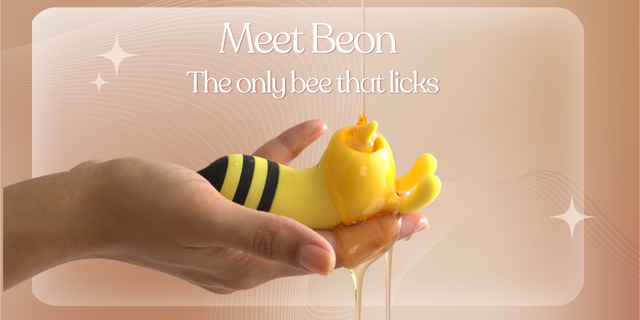
Beon Tongue Flicker
Tongue flicker — gentle, precise, made for targeted play.
The Science Behind Flicking vs Vibrating Sensation
From a neurological standpoint, this difference matters.
Research on sensory response shows that:
-
Intermittent stimulation keeps nerve endings responsive
-
Rhythmic touch allows arousal to build gradually
-
Constant stimulation can lead to adaptation (numbness)
Tongue flickers work by:
-
Activating surface-level nerves in patterns
-
Allowing brief pauses between stimulation
-
Preventing sensory overload
This is why many women describe tongue flickers as:
-
More “alive”
-
Less numbing
-
Easier to stay present with
Pleasure feels less forced and more responsive.
Who Tongue Flickers Work Best For
Tongue flickers tend to be especially loved by women who:
-
Prefer oral sex to penetration
-
Find vibrators too intense or buzzy
-
Enjoy slow build-ups
-
Are sensitive to constant vibration
-
Want a more realistic, playful sensation
They’re also popular with beginners because:
-
They’re non-intimidating
-
No penetration is required
-
There’s no pressure to “perform”
That said, they’re not for everyone. Some women still prefer strong vibration — and that’s completely valid.
You may also like to read
How to Use a Tongue Flicker for the Most Realistic Feel
If realism is the goal, how you use it matters.
Tips for Best Results
-
Start on the lowest setting
-
Don’t press too hard, light contact feels more natural
-
Try approaching the clitoral area gradually instead of direct placement
-
Let rhythm do the work instead of chasing intensity
Many women find that hovering or off-center placement feels closer to oral stimulation than direct pressure.
Patience makes a difference here.
Common Myths About “Tongue-Like” Vibrators
Myth 1: Stronger = More Realistic
Reality: Realism comes from rhythm, not power.
Myth 2: Suction Toys Feel Like Tongue
They feel good for many — but suction mimics pressure, not flicking.
Myth 3: One Device Works for Everyone
Pleasure is personal. Sensation preference varies widely.
FAQs
Can any vibrator fully replace oral sex?
No. Devices recreate sensations, not connection or responsiveness.
Are tongue flickers better than vibrators?
Not better, just different. It depends on what your body enjoys.
Are tongue flickers good for sensitive users?
Yes. They’re often recommended for women who get overstimulated easily.
Can tongue flickers be used with a partner?
Absolutely. Many couples use them during foreplay or alongside oral play.
Final Thoughts: So… Can a Vibrator Really Feel Like a Tongue?
A traditional vibrator?
No.
But a device designed around flicking, rhythm, and soft contact?
That’s where things start to feel surprisingly close.
Tongue flickers don’t try to overpower your senses. They work with them. And for women who crave realism over intensity, that difference can be everything.
If you’ve ever thought:
-
“Vibrators work, but something feels missing”
-
“I love oral, but toys don’t feel the same”
-
“I want pleasure without overwhelm”
Then tongue-style stimulation might be worth exploring.
Not because it replaces anything,
but because it offers a new way to experience pleasure, at your own pace, on your own terms.
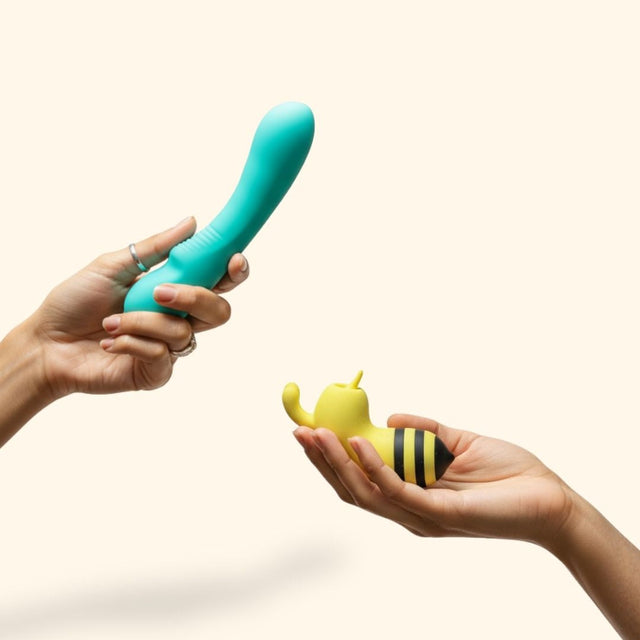
Beon Tongue Flicker
Tongue flicker — gentle, precise, made for targeted play.
0 comments