

Quick answer: Vaginal dryness during menopause happens because falling oestrogen makes the vaginal lining thinner, drier and less stretchy. For sex, use a water-based or silicone lubricant every time and a vaginal moisturiser two or three times a week. If that isn't enough, ask a gynaecologist about low-dose vaginal oestrogen. You don't have to put up with painful sex.
Key takeaways
- Vaginal dryness is a symptom of genitourinary syndrome of menopause (GSM), also called vaginal atrophy, caused by falling oestrogen.
- More than half of women have vaginal dryness after menopause (Cleveland Clinic). In India, menopause arrives at an average age of 46.6 years.
- First-line help: a fragrance-free lubricant for sex plus a vaginal moisturiser every 2 to 3 days.
- If that isn't enough, low-dose vaginal oestrogen treats the cause and is prescribed by a gynaecologist.
- Any bleeding after menopause needs a doctor's check.
Last updated: 9 October 2026. Written by the ATOG team using guidance from Cleveland Clinic, the US National Institute on Aging and published research. This article is for information and isn't a substitute for advice from your doctor.
Nobody warns you about this part. Hot flushes get talked about at kitty parties. Mood swings get the jokes. But the day sex starts to sting, or burn, or feel like sandpaper, most women go quiet and assume this is just what happens now.
It's common, it has a name, and it's very treatable. This guide covers why it happens, what actually helps (in the order most doctors would try it), and how to get back to sex that feels good rather than sex you brace yourself for.
Why does menopause cause vaginal dryness?
Menopause causes vaginal dryness because oestrogen levels fall. Oestrogen keeps the vaginal lining thick, elastic and moist. As it drops through perimenopause and menopause, the tissue thins, makes less natural lubrication and tears more easily. Doctors call this vaginal atrophy, or the broader term genitourinary syndrome of menopause (GSM), because the bladder and urethra are affected too.
The Cleveland Clinic notes that more than half of women experience vaginal dryness after menopause. In India that phase starts earlier than many people expect: a systematic review of Indian studies put the average age of menopause at 46.6 years. So if you're in your early or mid-40s and things feel different, you're not imagining it.
Oestrogen isn't the only factor. Dryness can also come from:
- Breastfeeding and some hormonal contraceptives
- Certain antidepressants, antihistamines and cancer treatments
- Diabetes, smoking and stress
- Perfumed intimate washes, soaps and sprays
- Simply not being aroused enough before sex
What are the symptoms of vaginal dryness in menopause?
The main symptoms are less natural lubrication and discomfort during sex. Look out for:
- Pain during sex (doctors call this dyspareunia)
- Burning, itching or soreness in the vagina or vulva
- Light bleeding or spotting after sex
- Needing to pee more often, or UTIs that keep coming back
- Discomfort when sitting, walking or wearing tight clothes
Many women in India describe it simply as "jalan" (burning) or feeling "dry down there". Whatever you call it, it's worth treating.

Can a woman still get wet after menopause?
Yes. Arousal still produces lubrication after menopause. It just takes longer, and there may be less of it. That's why the slow-build approach matters so much now. What used to happen in two minutes might need fifteen, with a lot more touch outside the vagina first.
There's also a "use it or lose it" side to this. Cleveland Clinic lists regular sexual stimulation (solo or with a partner) as one of the things that helps, because arousal brings blood flow to the tissue. That's one reason gynaecologists and pelvic physios often suggest a gentle external vibrator for women in menopause. More on that below.
You may also like to read


What helps vaginal dryness during sex?
Think of treatment as a ladder. Start at the bottom and climb only if you need to.
1. Lubricant, every single time
A lubricant reduces friction during sex. You put it on just before or during, and you use more than you think you need. The US National Institute on Aging says many women find relief with a simple water-based lubricant.
- Water-based: feels the most natural, washes off easily, safe with condoms and silicone toys. You may need to reapply.
- Silicone-based: lasts much longer and stays slippery. Don't use it with silicone toys, as it can damage them.
- Oil-based: long-lasting and soothing on the vulva, but it weakens latex condoms.
Read the label. Skip anything with fragrance, warming or tingling agents, or flavours. Menopause clinicians also suggest avoiding high levels of glycerin and parabens, which can irritate thin tissue.
2. Vaginal moisturiser, a few times a week
This is the step most people skip. A vaginal moisturiser is not lube. It's a gel you use regularly, whether or not you're having sex, to keep the tissue hydrated day to day. Many contain hyaluronic acid. Think of lube as something you use during sex and moisturiser as everyday care.
3. Low-dose vaginal oestrogen
If dryness is still bothering you, this is the treatment that addresses the cause. It comes as a cream, a small tablet or a ring placed in the vagina. According to the NIA, these local treatments deliver much lower hormone doses to the rest of the body than a pill or patch. A gynaecologist can tell you if it's right for you, especially if you've had breast cancer.
4. Other prescription options
Doctors may also discuss non-oestrogen medicines such as ospemifene or vaginal DHEA (prasterone), or full hormone therapy if you have other menopause symptoms too. These need a prescription and a conversation about risks and benefits.
Lube vs vaginal moisturiser: which one do I need?
| Lubricant | Vaginal moisturiser | |
|---|---|---|
| What it does | Reduces friction right now | Rehydrates the tissue over days |
| When to use | Just before or during sex or toy play | Every 2 to 3 days, sex or no sex |
| How long it works | Minutes to an hour | Up to a few days |
| Do I need it? | Almost everyone in menopause | If you feel dry or sore outside of sex too |
Most women end up using both.
How can I enjoy sex during menopause?
You can enjoy sex during menopause by giving your body more warm-up time, using lube every time, choosing positions you control, and focusing on clitoral stimulation rather than penetration. Products fix friction. These habits help with the rest:
- Make foreplay the main event. Twenty minutes of kissing, massage and external touch before anything goes inside. Your body needs the extra time to warm up.
- Take penetration off the menu for a while if it hurts. Oral sex, hands and toys still count as sex. Taking the pressure off often brings desire back.
- Get on top or try side by side. Positions where you control depth and speed hurt less, because you can stop the moment something stings.
- Tell your partner what's going on. A lot of women stay quiet and their husbands assume they've lost interest. Saying "it's dryness, not you" changes the whole mood.
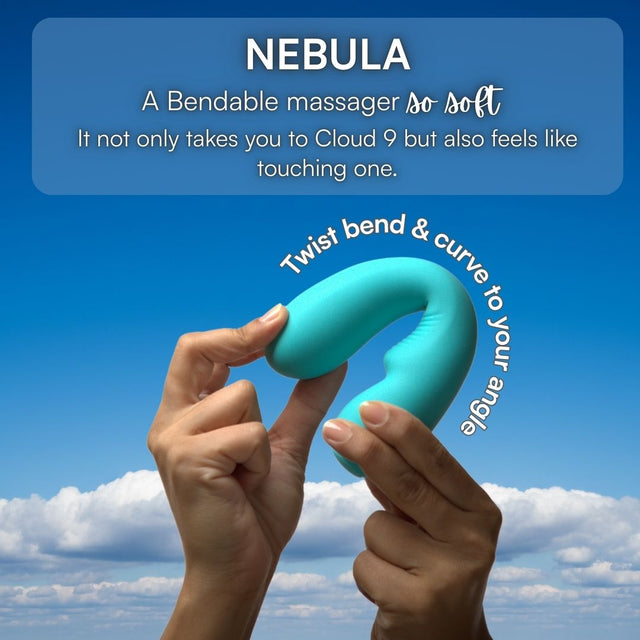
- Bring in vibration. External stimulation increases blood flow and arousal, which helps your own lubrication. It also gives you orgasms that don't depend on penetration at all.
If you're new to toys, start outside. A soft clitoral toy is the easiest first step because it doesn't need penetration at all. Our guide to clitoral stimulation explains why most women need it to climax, at any age.

Atria
3-in-1 clitoral massager with gentle suction, flicking and tapping. 10 modes, waterproof and quiet. Fully external, so no penetration needed.
Use it with a water-based lube. If you'd rather try something that feels like slow oral sex, Beon has a soft silicone tip that flicks and swirls at whatever pace you set.
You may also like to read




Are home remedies for vaginal dryness safe?
Some are, many aren't. Water, diet and exercise support general health but won't reverse atrophy, and kitchen or skincare products can irritate vaginal tissue. A lot of the advice in Indian WhatsApp groups is well meant but risky. Here's a quick sort:
- Drinking enough water, eating well, exercising, managing stress: good for you overall, but they won't fix atrophy on their own.
- Coconut oil: some doctors are fine with plain coconut oil on the outer vulva. It breaks down latex condoms and isn't ideal inside the vagina if you get frequent infections.
- Body lotion, face cream, petroleum jelly, ghee: skip these. They aren't made for vaginal tissue and can cause irritation or infection.
- Intimate washes and douches: stop using them. Plain water on the vulva is enough. Cleveland Clinic lists scented washes, soaps and sprays among the causes of dryness.
When should you see a doctor?
Book an appointment with a gynaecologist if:
- Pain during sex continues after a few weeks of lube and moisturiser
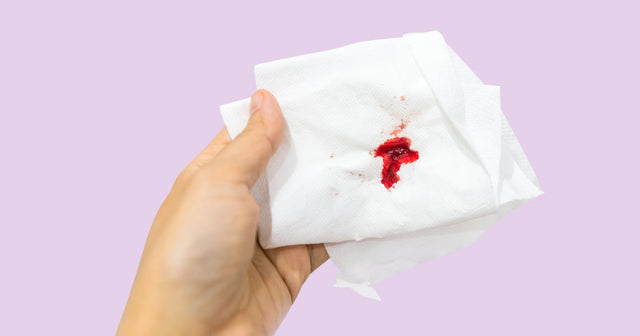
- You bleed after sex, or have any bleeding at all after your periods have stopped for a year
- You have unusual discharge, a strong smell, sores or constant itching
- You keep getting UTIs
- Pain or low desire is affecting your relationship or how you feel about yourself
Bleeding after menopause always needs to be checked. Our guide to bleeding after sex explains when it's urgent.
It can feel awkward to raise this, especially with a doctor you've seen for years. Say it plainly: "Sex has become painful since my periods changed." Gynaecologists hear it often.
Frequently asked questions
Is vaginal dryness during menopause permanent?
The tissue changes usually don't go away on their own because oestrogen stays low after menopause. But the symptoms are very treatable. Regular lube and moisturiser help most women, and vaginal oestrogen can restore the tissue for those who need more.
What is the best lubricant for menopause dryness?
There's no single best brand. Choose a water-based or silicone-based lube without fragrance, warming agents or flavours. Use water-based lube with silicone toys and condoms. Silicone lube lasts longer if you aren't using silicone toys.
How can I increase wetness naturally before sex?
Give yourself more time. Longer foreplay, external clitoral stimulation and feeling relaxed all increase natural lubrication. Avoid perfumed products, stay hydrated, and use lube anyway. Arousal and lube work well together.
Can vaginal dryness happen before menopause?
Yes. It's common in perimenopause, often from the early 40s, and also after childbirth, while breastfeeding, and with some contraceptives and medicines. Cleveland Clinic estimates more than 15% of women experience it before menopause.
Is it safe to use a vibrator during menopause?
Yes. A body-safe silicone vibrator used externally with water-based lube is safe for most women and can help by increasing blood flow and arousal. Stop if anything hurts, and check with your doctor if you have unexplained bleeding or pain.
Menopause ke baad sex mein dard kyon hota hai?
Menopause ke baad oestrogen kam ho jata hai, jisse vagina ki skin patli aur dry ho jati hai. Isliye sex ke dauran dard ya jalan hoti hai. Har baar lubricant use karein, hafte mein 2 se 3 baar vaginal moisturiser lagayein, aur aaram na mile to gynaecologist se vaginal oestrogen ke baare mein poochein.
What is genitourinary syndrome of menopause (GSM)?
GSM is the medical name for the vaginal, vulval and urinary changes caused by low oestrogen after menopause. It includes dryness, burning, painful sex, urgency and repeat UTIs. It used to be called vaginal atrophy or atrophic vaginitis.
Does vaginal oestrogen cause weight gain or cancer?
Low-dose vaginal oestrogen delivers much less hormone to the body than tablets or patches. Discuss your personal risks with a gynaecologist, especially if you've had breast cancer or a blood clot.
Plenty of women have great sex after menopause. Start with lube, add moisturiser, slow everything down, and talk to your doctor if you need more help. If you want an external toy for the slow-build part, meet Atria.
0 comments