







 Live in Mumbai

Quick answer: Sex after 40 changes, but it doesn't have to get worse. Desire often becomes "responsive" (it shows up once touch begins), arousal takes longer, women may notice dryness around menopause, and men may need more stimulation for firm erections. Slow down, talk more, use lube, make foreplay longer, and see a doctor for anything that sticks around.
Key takeaways
- Sex after 40 changes but often gets more relaxed and satisfying, because couples know their bodies and worry less.
- Women in India reach menopause at 46.6 years on average, so dryness and changes in desire often start in the early 40s.
- About half of men aged 40 to 70 have some degree of erectile dysfunction (Massachusetts Male Aging Study).
- Desire often becomes responsive: it builds once touch starts, so longer foreplay matters.
- Lube, planned time together, open talk and a doctor's check for ED or painful sex solve most problems.
Last updated: 9 October 2026. Written by the ATOG team using guidance from Cleveland Clinic, the Kinsey Institute and published research. This article is for information and isn't a substitute for advice from your doctor.
Remember the parents in Badhai Ho? A middle-aged couple announces a surprise pregnancy, and the whole family reacts as if they've committed a crime. The film got laughs because the attitude is so familiar. In a lot of Indian homes, people over 40 are supposed to have "moved on" from sex.
That's a myth. Plenty of couples say the sex they're having in their 40s and 50s is the most relaxed and honest sex they've had. Your body is different now, and you'll get more out of sex if you understand how.
Is sex better after 40?
For many people, yes. Sex after 40 is often better because couples are more confident, more honest and less worried about pregnancy. By your 40s you usually know your own body, you care less about performing, and you've stopped pretending to like things you don't. If periods have stopped, there's no pregnancy worry either. Long-term couples also have years of trust to draw on.
What gets harder is mostly logistics and physiology: tiredness, stress, children who are always awake, health conditions, and hormonal changes. All of these can be worked on.
What changes in sex after 40?
After 40, hormones shift, arousal takes longer, women may notice dryness around perimenopause, and men may need more stimulation for firm erections.
For women
- Perimenopause starts. In India the average age of menopause is 46.6 years, according to a systematic review of Indian studies, and the hormonal shifts begin several years earlier.
- Lubrication may drop as oestrogen falls, which can make penetration sore. See our guide to vaginal dryness during menopause.
- Desire may dip, or rise. Some women notice lower desire around menopause. Others find their desire grows once the kids are older and they have time for themselves again.
- Orgasm may take longer and need more direct clitoral stimulation.
For men
- Erections need more help. Cleveland Clinic estimates that erectile dysfunction affects over 50% of men between 40 and 70. The landmark Massachusetts Male Aging Study found the combined rate of mild, moderate and complete ED in that age group was 52%.
- Physical touch matters more. Seeing your partner undress may no longer be enough on its own. Most men need direct stimulation to get and stay hard.
- Recovery time gets longer between orgasms.
- Health shows up in bed. Diabetes, high BP, cholesterol, smoking and some medicines all affect erections. Erection trouble can be an early sign of heart or blood vessel problems, so it's worth a check-up.
At a glance:
| Change after 40 | Women | Men |
|---|---|---|
| Hormones | Oestrogen falls through perimenopause (menopause at 46.6 on average in India) | Testosterone declines slowly |
| Arousal | Takes longer, less natural lubrication | Needs more direct touch for a firm erection |
| Desire | More often responsive; may dip or rise | Often steady; stress and health matter more than age |
| Common issue | Vaginal dryness, painful sex | Erectile dysfunction (over 50% of men aged 40 to 70) |
| What helps | Lube, moisturiser, longer foreplay, vaginal oestrogen | Exercise, health check, vibrating ring, ED treatment |

You may also like to read




Why does desire work differently after 40?
Desire works differently after 40 because it often becomes responsive rather than spontaneous: it grows after touch begins instead of arriving out of nowhere. When you were 25, desire may have arrived out of nowhere. Sex therapists call that spontaneous desire. As we get older, it's more common to have responsive desire: you aren't thinking about sex, but once kissing and touching start, you warm up and want more.
Both are normal. The problem is when a couple waits for spontaneous desire that rarely comes anymore, and slowly stops having sex.
The dual control model, developed at the Kinsey Institute, offers a useful way to think about this. Your sexual response has an accelerator (things that turn you on) and brakes (things that turn you off). After 40, the brakes are usually the bigger issue: work stress, money worries, resentment, body image, a door that doesn't lock. Ease the brakes and the accelerator works again.
How do you keep your sex life hot after 40?
Plan time for sex, make foreplay longer, use lube, widen what counts as sex, talk openly, support erections and look after your health. Here is how:
1. Plan sex without killing the romance
Waiting for the "perfect moment" in a house with teenagers and in-laws means waiting forever. Agree on a night, send the kids to a cousin's, book a staycation, or use Sunday afternoon nap time. Anticipation builds desire, as we explain in why anticipation is more powerful than action.
2. Make foreplay longer, much longer
Both bodies need more warm-up now. Twenty minutes of kissing, massage and oral sex before penetration is what makes the rest work. A tongue-style toy like Beon can make that warm-up easier on both of you.
3. Use lube, every time
This one change fixes a lot of discomfort for women in perimenopause. Pick a water-based lube without fragrance, warming or flavours.
4. Redefine what "sex" means
Sex isn't only penetration. Oral, hands, toys, massage and shower play all count. When penetration stops being the goal, pressure drops for both partners and orgasms often get easier.
5. Talk about it, out loud
Couples who've been married 15 years often haven't had a single honest conversation about sex. Try: "What do you miss?", "What feels different for you now?", "What would you like more of?" Ask with curiosity, not blame.
6. Give erections some backup
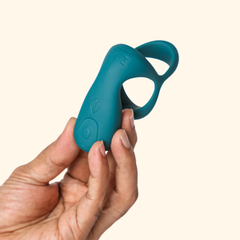
If erections are less reliable, a vibrating ring can help. The band gently slows blood leaving the penis, and the vibrating head stimulates her at the same time, so both of you benefit. Wear it for no more than 30 minutes and take it off if anything feels numb or painful. Read our guide to using a vibrating ring safely first.

7. Look after the machine
Good sex after 40 depends a lot on general health. Walk daily, strength train, sleep properly, limit alcohol, quit smoking and keep sugar and BP in check. What's good for your heart is good for erections and arousal.
8. See a doctor without embarrassment
Persistent ED, painful sex, very low desire or bleeding after sex all deserve a proper medical check. There are effective treatments for each, from tablets for ED to vaginal oestrogen for dryness.
You may also like to read



How often do couples have sex after 40?
There's no "right" number, and averages vary widely between studies and countries. What matters more is whether both of you are happy with how often and how good the sex is. A satisfying encounter twice a month beats a rushed, routine one every week. If one of you wants a lot more than the other, that's a conversation worth having, maybe with a couples or sex therapist.
Frequently asked questions
Can a 45-year-old woman be sexually active?
Yes. Women can enjoy sex well into later life. Around perimenopause you may need more foreplay, more lube and more clitoral stimulation, but desire and orgasm don't have an expiry date.
Do men want more or less sex after 40?
It varies. Testosterone declines slowly with age and erections may need more stimulation, but many men's desire stays steady. Stress, health conditions and relationship issues usually affect desire more than age does.
Why is my sex drive low after 40?
Common reasons include hormonal changes, stress, poor sleep, medicines, depression, relationship conflict and painful sex. Address the cause: treat dryness, manage stress, review medicines with a doctor, and make time for touch without pressure.
Is erectile dysfunction normal after 40?
It's common, but it's not something you just have to accept. Over half of men aged 40 to 70 have some degree of ED. It's very treatable, and because it can signal heart or blood sugar problems, it's worth discussing with a doctor.
How can I make sex exciting again after 40?
Add novelty and time. Try new places, new positions, a toy, a weekend away, or simply a long, slow session with the phone off. Talk about fantasies and what you'd like more of.
40 ke baad sex life kaise improve karein?
40 ke baad sex ke liye zyada samay dein: lamba foreplay, har baar lubricant, aur ek doosre se khul kar baat. Exercise, achhi neend aur sugar ya BP control rakhein. Erection ya dard ki problem lagatar ho to doctor se milein.
How can men improve sexual stamina after 45?
Regular exercise, a healthy weight, good sleep, less alcohol, no smoking and well-controlled sugar and blood pressure all improve erections and stamina. Pelvic floor exercises can also help. If erections stay weak, see a doctor, since effective treatments exist.
Can a woman get pregnant during perimenopause?
Yes. Ovulation becomes irregular in perimenopause but doesn't stop straight away, so pregnancy is still possible. Doctors usually advise using contraception until you've gone 12 months without a period. Ask your gynaecologist what's right for your age.
Is it normal for sex to hurt after 40?
Pain is common around perimenopause and menopause because of vaginal dryness, but it's not normal to put up with it. Use lube, try a vaginal moisturiser, and see a gynaecologist if pain continues.
Your 40s aren't the end of your sex life. For a lot of couples, it's when sex finally gets good. Slow down, talk more, and use the help that's out there. If you'd like a toy you can both enjoy, meet Halo.




0 comments