







 Live in Mumbai

Quick answer: Sex after marriage goes best when you treat the first time as something you build up to. Talk first, agree that either of you can stop, and spend a long time on kissing and touching before anything else. Use lube, go slowly, and let her set the pace. A little discomfort can happen. Strong pain is a reason to stop and see a gynaecologist.
Everyone at the wedding made a joke about tonight. Nobody actually told you what to do.
If you're newly married (or about to be) and quietly wondering how the first time is supposed to go, you're in very good company. Most of what Indian couples hear about the first night comes from cousins, films and whispered advice, and most of it is wrong. This guide is the friendly, practical version: what really happens, how to make it comfortable for both of you, and what to do if it doesn't go to plan.
What actually happens the first time after marriage?
For most couples, the first time is slower, clumsier and sweeter than expected. You'll probably laugh at least once. Someone will get nervous. It may take more than one night before penetration happens comfortably, and that's completely normal.
The "first night" also doesn't have to be the first time. After days of rituals, relatives and very little sleep, plenty of couples simply talk, cuddle and fall asleep. Sex can wait until you're both rested and actually in the mood.
You don't have to do it on the first night
Being married doesn't mean either of you owes the other sex on a schedule. Readiness matters more than the date. Gynaecologist Dr Tanushree Pandey puts it plainly in a SheThePeople video: nobody, including a husband, can force sex on you, and sex doesn't always have to mean penetration. Kissing, holding each other and touching all count.
If you had an arranged marriage, you may still be getting to know each other. That's fine. Spend the first few nights building comfort: talk about your day, share what you're nervous about, and agree on one simple rule. Either of you can say "stop" at any time, and the other person stops. No sulking, no pressure.
Family pressure is real too. Questions about the "good news" can start embarrassingly early. What happens in your bedroom is between the two of you, on your timeline.
How to do sex after marriage for the first time: step by step
1. Sort out privacy and comfort first
Joint families and thin walls are a mood killer. Pick a time when you won't be interrupted, lock the door, and keep the lights at a level you're both happy with. A quick shower (together or separately) helps you relax and feel fresh. Keep water, tissues and a towel within reach so you're not hunting for them later.
2. Talk about protection before you start
Decide together whether you're planning a baby soon or want to wait. If you want to wait, have condoms ready before things get heated. If you'd like something longer-term, a gynaecologist can talk you through the options. The bedroom is the wrong place to make that decision for the first time.
3. Spend a long time on foreplay
This is the most useful tip in the whole guide. When she's properly aroused, her body produces natural lubrication and relaxes, which is exactly what makes penetration comfortable. Rushing is the main reason first times hurt.
Kiss, touch, explore each other's bodies with no goal in mind. Fifteen to twenty minutes isn't unusual, and longer is better. If you want ideas, our guide to foreplay moves women actually love is a good place to start.
4. Use lube
Needing lube doesn't mean anything is wrong. Nerves can slow down natural lubrication, and a water-based lube from the chemist makes things smoother and more comfortable for both of you. It's compatible with condoms too.
5. Go slowly and let her lead
Positions where she controls the angle and depth work best the first time. Her on top is the easiest for this. Missionary with a pillow under her hips is another gentle option. Go in slowly, pause often, and check in with simple questions like "Is this okay?" If it hurts, stop, go back to touching, and try again another time.
6. Lower the bar
The first time doesn't need to end in an orgasm, last a certain number of minutes, or look like a film. If you both felt safe and close, it went well.
You may also like to read



Will it hurt? Pain, bleeding and the hymen myth
Some women feel mild discomfort or a stinging feeling the first time, mostly because of nerves, tight muscles or not enough lubrication. Lots of foreplay, lube and going slowly usually help. Sharp or severe pain isn't something to push through.
Bleeding is where most of the myths live. The hymen is a thin, flexible piece of tissue at the vaginal opening, and it varies a lot from person to person. As Cleveland Clinic explains, many hymens stretch rather than tear, so plenty of women don't bleed the first time at all. Not bleeding says nothing about whether someone is a virgin. The UN and WHO have stated that "virginity testing" has no scientific basis.
See a gynaecologist if:
- penetration feels impossible, or her muscles tighten up every time you try (this can be vaginismus, which is common and treatable)
- there's heavy bleeding, or bleeding that keeps happening
- pain continues after several gentle attempts
For him: nerves, losing an erection and finishing fast
Men get first-night nerves too. Pressure to "perform" can make an erection fade or make you finish very quickly. Both are common, especially the first few times, and both usually settle once you're relaxed with each other.
If it happens, laugh it off, keep kissing and touching, and try again later. If you're worried about timing, our honest guide on how long sex really lasts will reset your expectations. If erection problems carry on for weeks, a doctor or andrologist can help.
How to do sex after marriage as a woman: what you can ask for
You're allowed to want things, and you're allowed to say so. Ask for more time, more kissing, a different position, the lights off or a break. Show him where you like being touched by guiding his hand. Pleasure on your first night is a perfectly reasonable expectation, and good partners want to know what works for you.
You may also like to read




After sex: pee, clean up, cuddle
Go to the toilet soon after sex. The NHS recommends peeing as soon as possible after sex to help prevent urinary infections, which are common when you start having sex regularly. Wash gently with plain water and skip scented soaps down there.
Then come back to bed. A cuddle and a "how was that for you?" do a lot for the next time.
The first month: it gets better
Sex usually gets easier and better once you know each other's bodies. Some couples have sex every day in the first weeks, some barely at all, and both are normal. What matters is that you both want it.
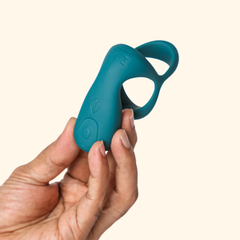
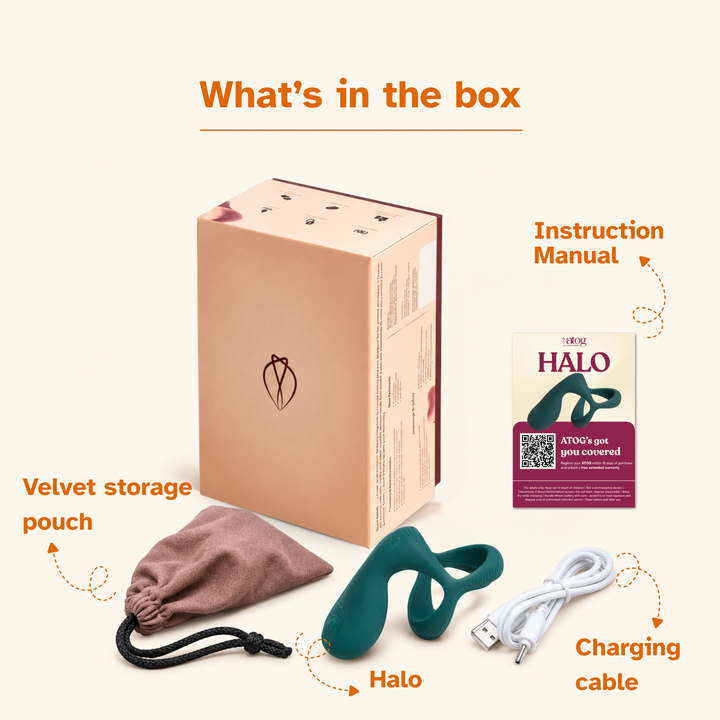
Once you're comfortable and curious, a couples toy can make things more fun for both of you. Halo is a gentle dual vibrating ring designed for couples, made from body-safe silicone and delivered in discreet packaging. Save it for later; your first night needs nothing more than time and kindness.
And when the newness wears off, which it does for everyone, read our guide on how intimacy changes after marriage to keep the spark going.
FAQ: sex after marriage
How long should we wait after marriage to have sex?
There's no rule. Some couples have sex on the first night, others wait days or weeks until they're rested and comfortable with each other. Wait until you both genuinely want to.
Is the first time painful?
It can be a little uncomfortable, but it shouldn't be very painful. Long foreplay, lube and going slowly help a lot. If it hurts a lot, stop and see a gynaecologist.
Will I bleed the first time?
Maybe, maybe not. Many women don't bleed, because the hymen often stretches instead of tearing. Not bleeding doesn't mean you aren't a virgin.
Can we have sex every day after marriage?
Yes, if you both want to and it's comfortable. If you feel sore, take a break for a day or two and use more lube when you start again.
What if he loses his erection the first time?
It's very common and usually caused by nerves. Keep things relaxed, carry on with touching and try again later. See a doctor if it keeps happening over several weeks.
What contraception should we use?
Condoms are easy to start with and also protect against infections. For longer-term options, talk to a gynaecologist before or soon after the wedding.




0 comments